Research

Microstructure as the design variable.

Three coupled programs bridging synthesis, characterization, and performance from atoms to components.

Lightweight Metallic Materials
THEME 01

Lightweight Metallic Materials

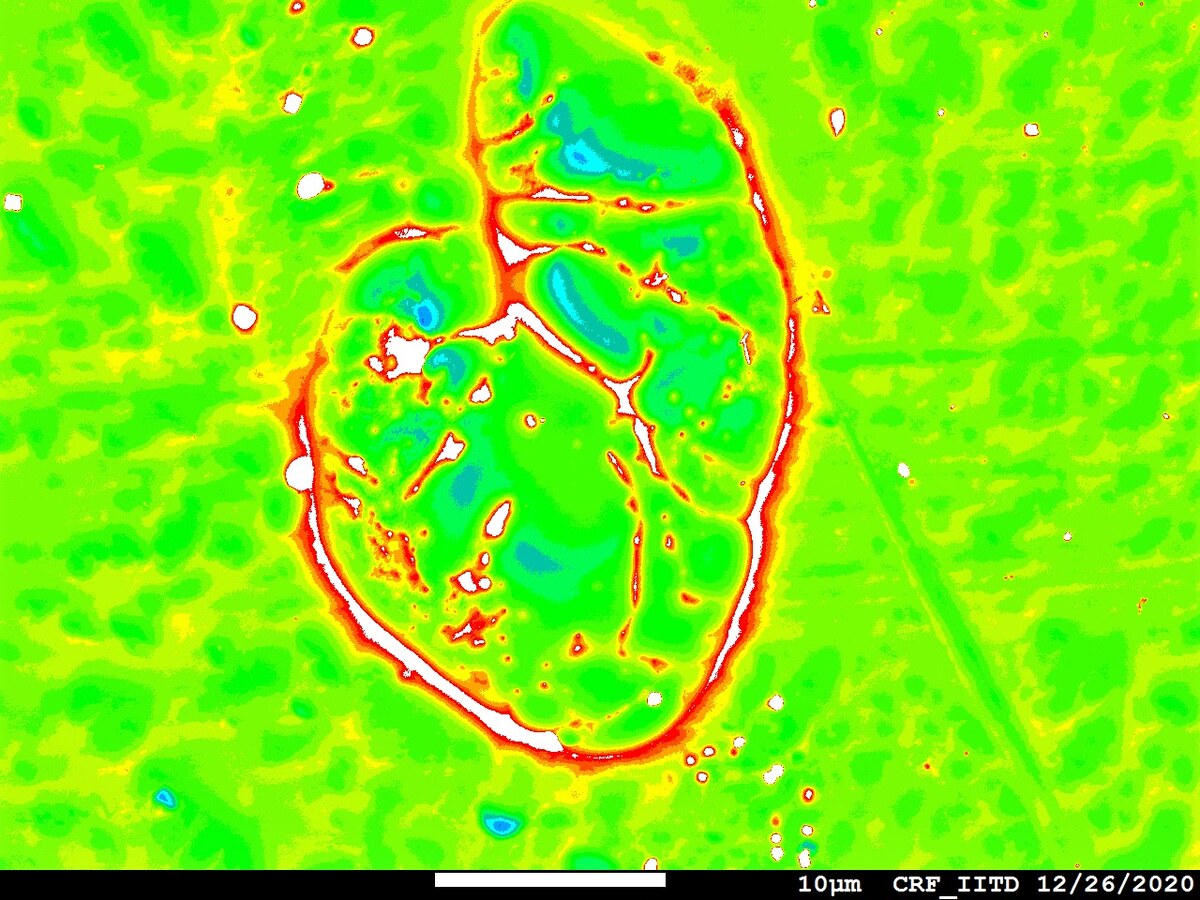
We design and develop Mg and Al alloys by engineering microstructure across multiple length scales. Key research directions include novel Mg–alloys with exceptional corrosion resistance for biodegradable orthopedic implants, thermomechanical processing routes that control grain size, texture, and second-phase distributions, and in-situ characterization of deformation and corrosion mechanisms. Our Mg–0.6Ca–0.5Sc alloy demonstrates a corrosion rate 90% lower than the benchmark AZ31 alloy.

Mg AlloysAl AlloysBiodegradable ImplantsThermomechanical ProcessingCorrosion
Ultracryogenic & Extreme Environment Mechanics
THEME 02

Ultracryogenic & Extreme Environment Mechanics

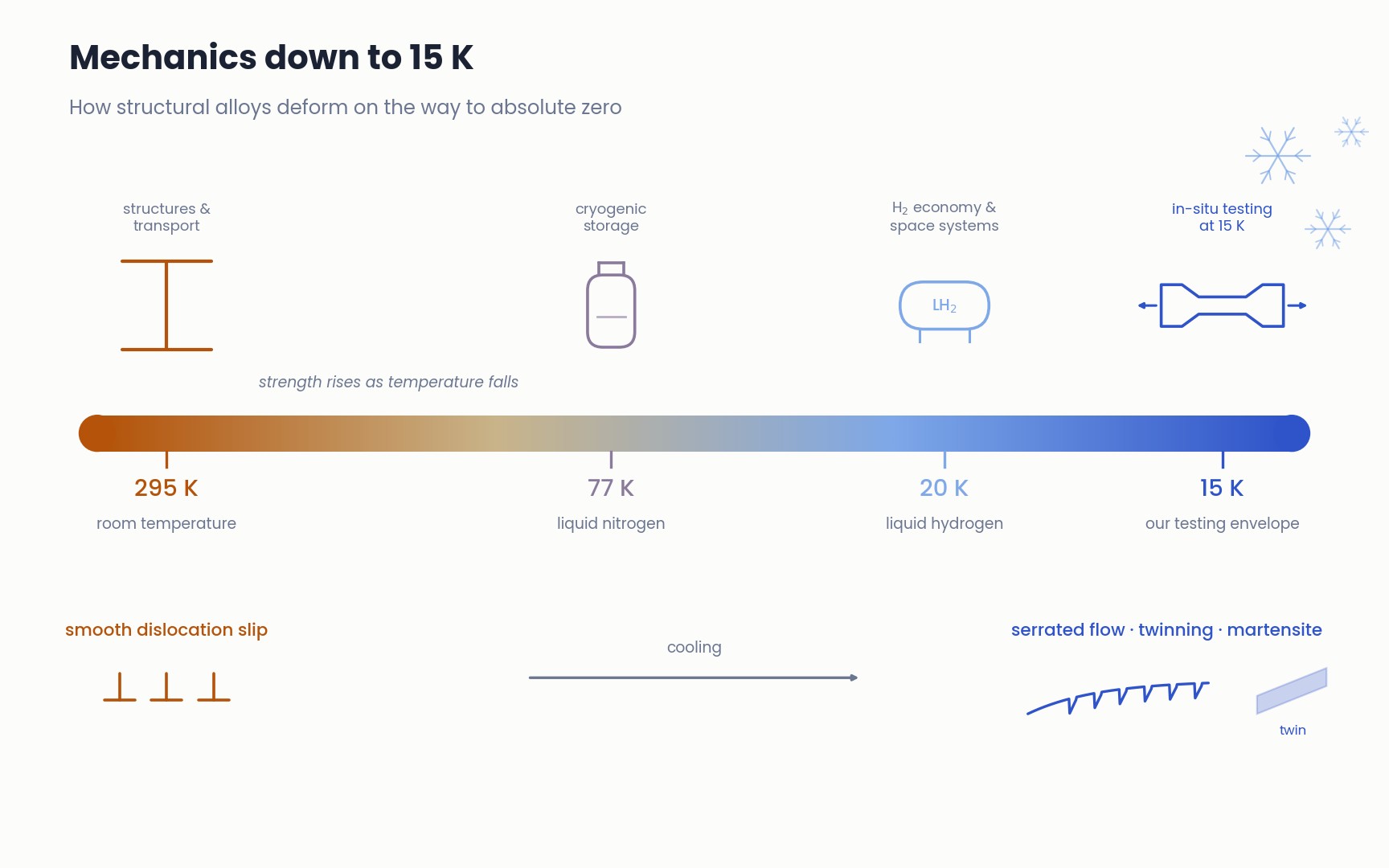
We investigate the mechanical behavior of structural metallic materials at ultracryogenic temperatures down to 15 K (−258 °C) — conditions relevant to liquid hydrogen storage, superconducting magnet systems, and space applications. We establish processing–microstructure–property relationships in austenitic stainless steels, Al alloys, Ti alloys, and high-Mn steels, combining neutron diffraction, in-situ SEM, and advanced fatigue testing to understand deformation and fracture at the extremes of temperature.

CryogenicFatigueHydrogen EmbrittlementStainless SteelAl Alloys
Reactive & Energetic Metal Powders
THEME 03

Reactive & Energetic Metal Powders

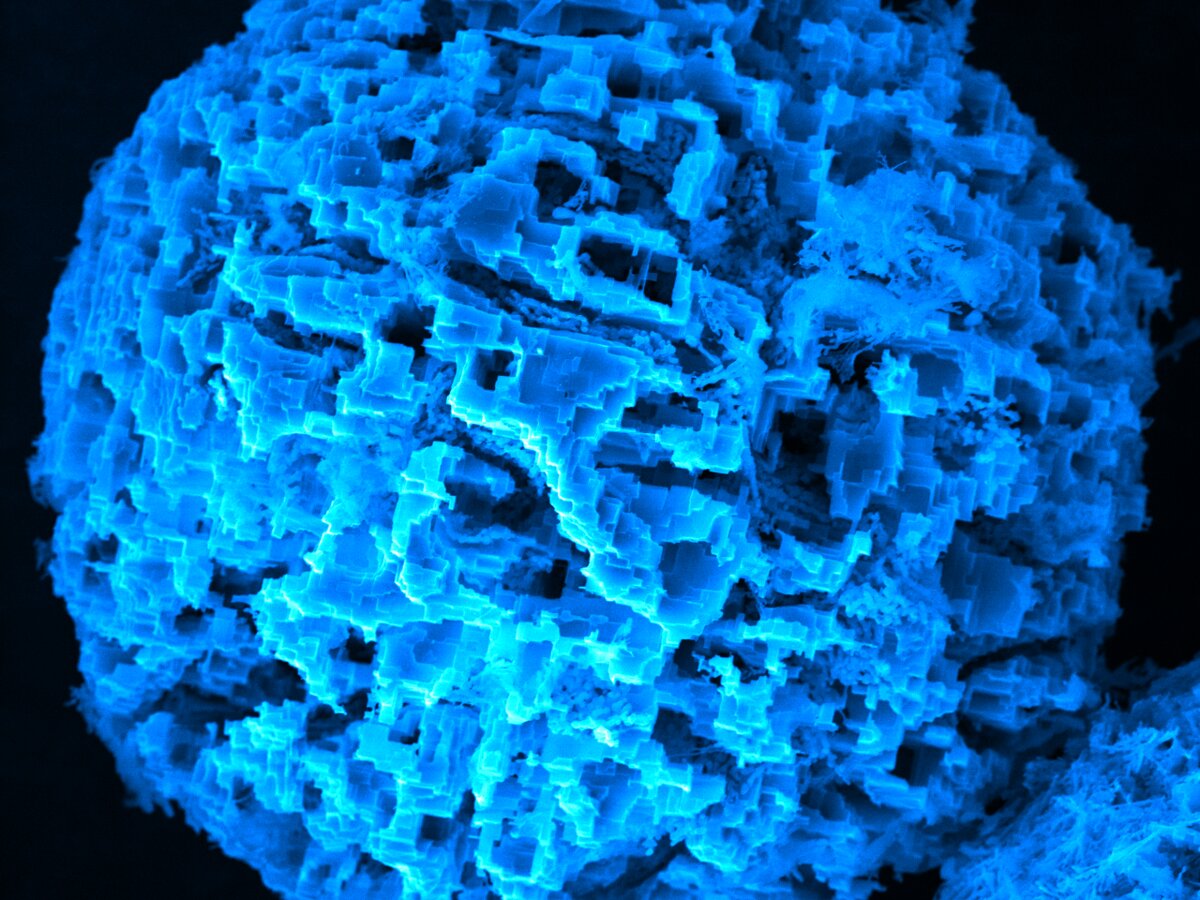
We design and synthesize ultrasonically atomized Al-based alloy powders with tunable ignition and combustion behavior. By controlling alloy composition and post-processing, we engineer powder microstructures — core–shell architectures, precipitate distributions, surface oxides — to prescribe thermal reactivity. This work integrates in-operando high-speed holography, pyrometry, and laser-induced spark emission spectroscopy (LASEM) to link microstructure to combustion response. Correlative characterization via SEM/EBSD, TEM, and FIB underpins all stages of this program.
Reactive MaterialsAl PowdersEnergetic MaterialsUltrasonic AtomizationCombustion